
Panic bars, also known as crash bars or push bars, are ubiquitous features in commercial buildings, schools, and hospitals. Designed to save lives, these devices allow for rapid evacuation during emergencies by unlocking the door when pressure is applied to the bar. However, the very feature that makes them essential for safety—their ease of egress—can present a challenge for security.
Balancing the need for a secure perimeter with the strict regulations of fire and life safety codes is critical. Many facility managers and business owners struggle with understanding how to effectively secure these exits without violating the law. This guide explores the mechanics of panic bars, legal methods for securing them, and best practices for maintaining both safety and security.
Understanding the Panic Bar Mechanism
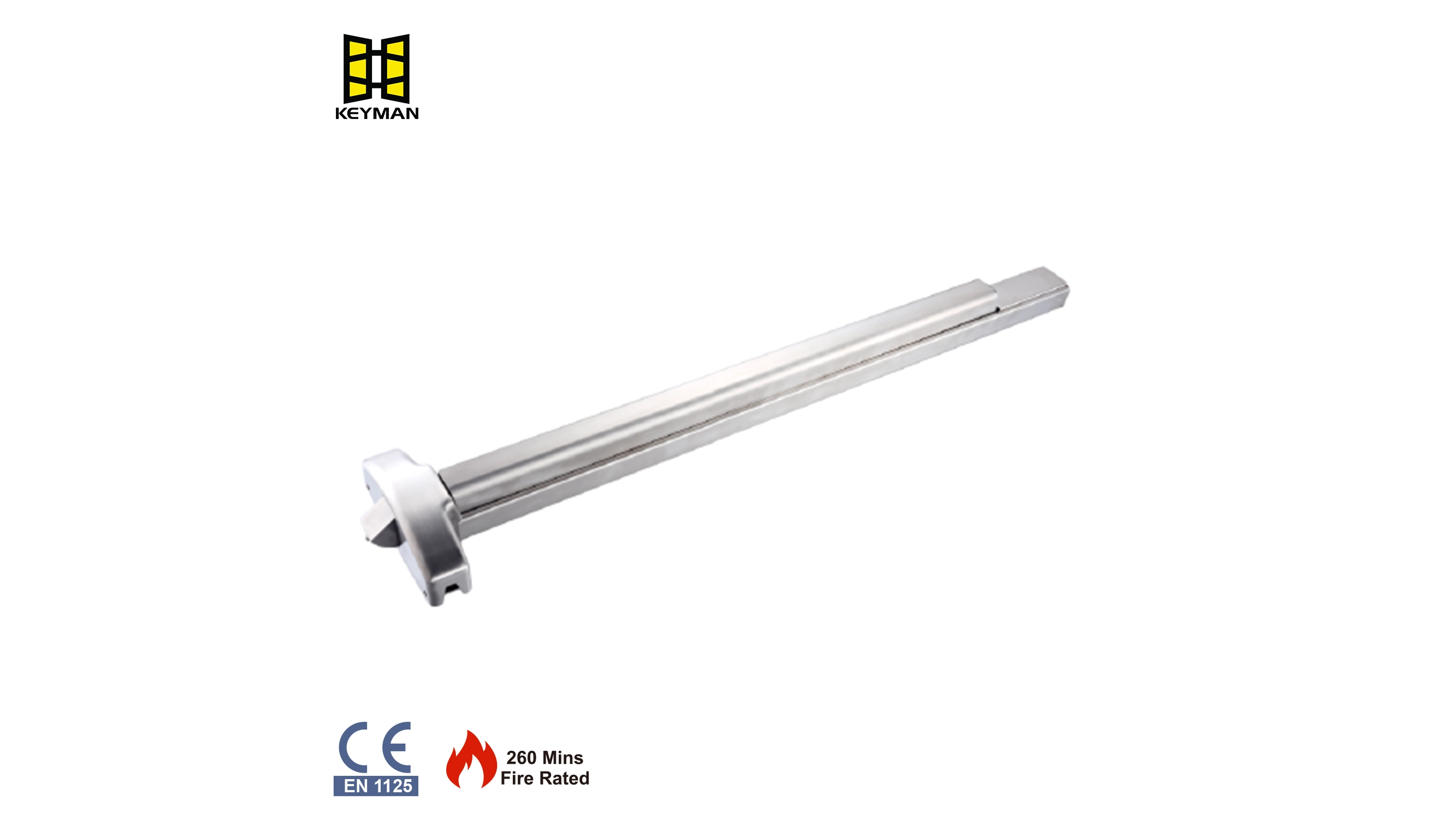
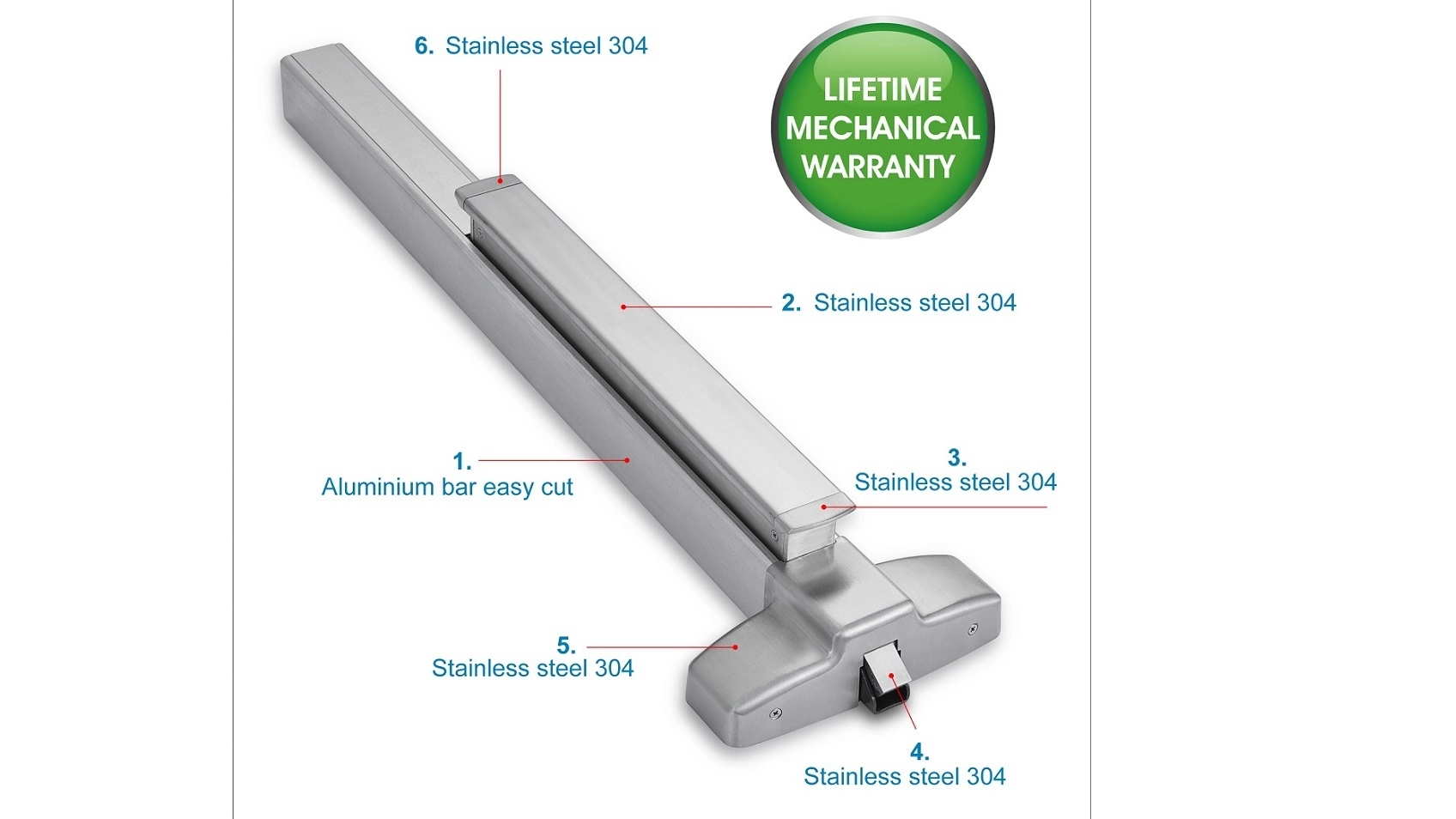
Before attempting to secure a panic door lock or bar, it is essential to understand how the mechanism works. A standard panic bar consists of a spring-loaded metal bar fixed horizontally across the inside of an outgoing door. When the bar is depressed, it retracts the latch mechanism, allowing the door to open outward.
There are two primary types of latching mechanisms associated with panic bars:
Rim Devices: These are surface-mounted on the face of the door. The latch bolt projects from the device into a strike mounted on the door frame.
Vertical Rod Devices: These feature rods that extend from the push bar to the top and bottom of the door, latching into the floor and the header of the door frame. These are often used on double doors.
The defining characteristic of these devices is "single-motion egress." A person must be able to unlatch the door with one simple motion (pushing the bar) without needing special knowledge, keys, or significant physical effort.
The Legal Landscape: Safety vs. Security
The most critical rule when dealing with panic bars is this: You cannot impede egress during business hours or when the building is occupied.
Modifying a panic bar to prevent it from opening from the inside while people are in the building is a severe violation of fire codes (such as NFPA 101: Life Safety Code). This includes chaining doors shut, using improvised blocking devices, or installing deadbolts that are not integrated into the panic hardware.
However, "locking" a panic bar usually refers to one of two distinct actions:
Dogging the device: Holding the latch retracted so the door can be pulled open from the outside (essentially unlocking it for free passage).
Securing the perimeter: Preventing entry from the outside while still allowing exit from the inside.

Method 1: Cylinder Locks (Keyed Entry)
The most common method for securing a door with a panic bar is through the installation of a keyed cylinder on the exterior side of the door. This allows authorized personnel to unlock the door from the outside to enter, while the door remains locked to the general public.
How it works: A rim cylinder is installed through the door, connecting to the internal panic bar mechanism.
Night Latch Function: This setup keeps the latch bolt extended (locked). When a key is inserted and turned, it retracts the latch, allowing the door to open. Once the key is removed, the door re-locks automatically when closed.
Security level: Moderate. It relies on key control and the strength of the cylinder.
This method ensures the door remains a secure exit at all times. From the inside, pushing the bar always opens the door. From the outside, it is a locked barrier unless you have a key.
Method 2: Dogging the Device (Unlocking for Business Hours)
"Dogging" is a term used in the locksmith and hardware industry. It refers to mechanically holding the crash bar in the depressed position. This retracts the latch and keeps it retracted.
Hex Key Dogging: Many panic bars come with a small hole on the bar assembly. By inserting a hex key (Allen wrench) and turning it while the bar is pushed in, you can lock the bar in the open position.
Cylinder Dogging: Higher-end models use a key cylinder on the bar itself instead of a hex key, preventing unauthorized people from dogging or undogging the door.
When to use this: This is useful for high-traffic main entrances during business hours. It essentially turns the door into a standard push/pull door without a latch.
How to lock it again: To secure the building at the end of the day, you simply reverse the process. Turn the hex key or cylinder key to release the bar. The latch extends, and the door is now locked from the outside (but still allows exit from the inside).
Method 3: Electrified Trim and Access Control
For modern businesses requiring higher security and audit trails, electrified hardware is the gold standard. Instead of relying on physical keys, the panic door lock mechanism is integrated into an electronic access control system.
There are two main approaches here:
Electric Strike: The strike plate on the door frame is replaced with an electric version. When a valid credential (key card, fob, or PIN) is presented, the strike releases the latch without the bar moving.
Electric Latch Retraction: The panic bar itself is motorized. Upon a signal from the access control system, the latch pulls back automatically.
This method is superior because it allows for:
Remote scheduling: You can program the doors to unlock (dog down) automatically at 8:00 AM and lock at 5:00 PM.
Instant lockdown: Security personnel can secure the perimeter instantly in an emergency.
Audit trails: You have a record of who entered the building and when.
1
Method 4: Exit Control Locks (Alarmed Devices)
Sometimes, the goal is to stop theft or unauthorized exit through a back door rather than preventing entry. In retail environments, "shrinkage" often occurs when inventory is slipped out the back door.
For these scenarios, delayed egress or alarmed panic bars are effective.
Alarmed Exit: Pushing the bar sounds a loud siren (usually 100+ decibels). The door opens immediately, but the noise draws attention to the unauthorized exit.
Delayed Egress: When the bar is pushed, an alarm sounds, but the door stays locked for 15 or 30 seconds (depending on local code). After the timer expires, the door unlocks.
Note: Delayed egress locks are strictly regulated. They usually require integration with the building's fire alarm system so that the delay is bypassed immediately if the fire alarm is triggered.
Common Mistakes to Avoid
When attempting to secure panic bar doors, facility managers often make dangerous errors. Avoid these common pitfalls:
Using Chains and Padlocks: Never chain the push bars of an occupied building. This is a primary cause of high-casualty events during fires.
Adding Surface Deadbolts: Installing a separate deadbolt above or below the panic bar is a code violation. Egress must require only one motion. If a person has to unlock a deadbolt and push the bar, it constitutes two motions.
Blocking the Path: Stacking boxes, inventory, or cleaning supplies in front of a panic door renders the lock mechanism irrelevant because the exit is blocked.
1
Maintenance is Key
A secure panic door lock is only effective if it functions correctly. Regular maintenance should be part of your security protocol.
Check the strike plates for alignment issues; if the door sags, the latch may not seat properly, leaving the door vulnerable to being pried open. Ensure the dogging mechanism (if used) moves freely and doesn't stick. Finally, if you use electronic systems, test the battery backups and fire alarm integration quarterly.
By understanding the mechanics of your hardware and adhering to safety codes, you can maintain a building that is welcoming to visitors, secure against intruders, and safe for everyone inside.
Panic Door Lock
Vertical Rod Panic Exit Device
Panic Exit Devices

KEYMAN is Your Choice Of Security!
If you have any questions regarding our products or services, please leave your details and our team will respond to you.
: +86-13823964887
: +86-13823964887


