
Introduction
Panic doors, equipped with devices known as panic bars or crash bars, are a critical safety feature in commercial and public buildings. Their primary function is to allow for swift, easy egress during emergencies without prior knowledge of the locking mechanism. A common and crucial question that arises regarding their operation is: Do panic doors re-lock automatically after you exit? The answer is not a simple yes or no, as it depends entirely on the specific type of panic door lock installed. This article will explore the mechanics, different lock types, and provide clear answers to help you understand this vital aspect of door hardware.
How a Panic Door Lock Works
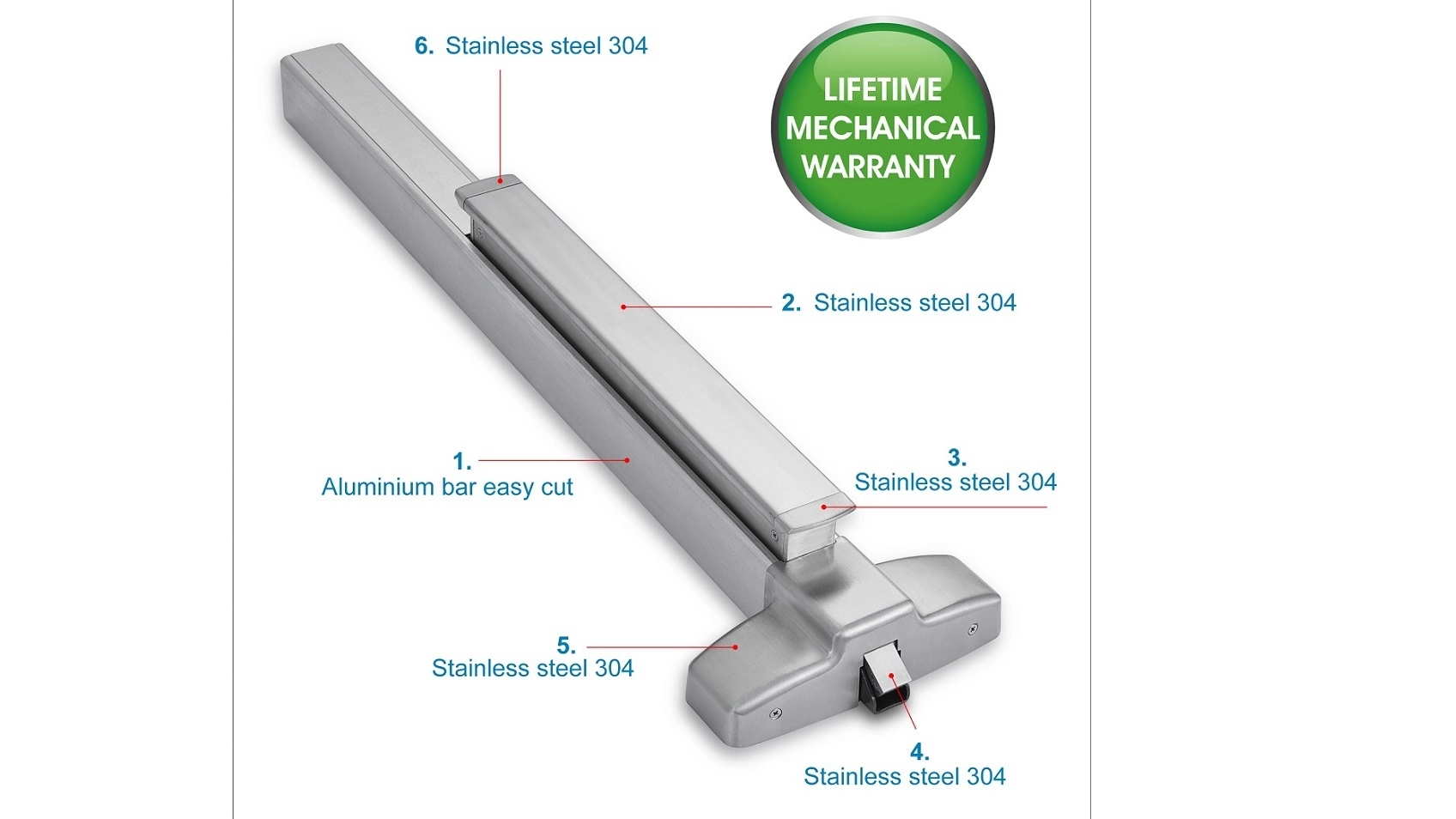
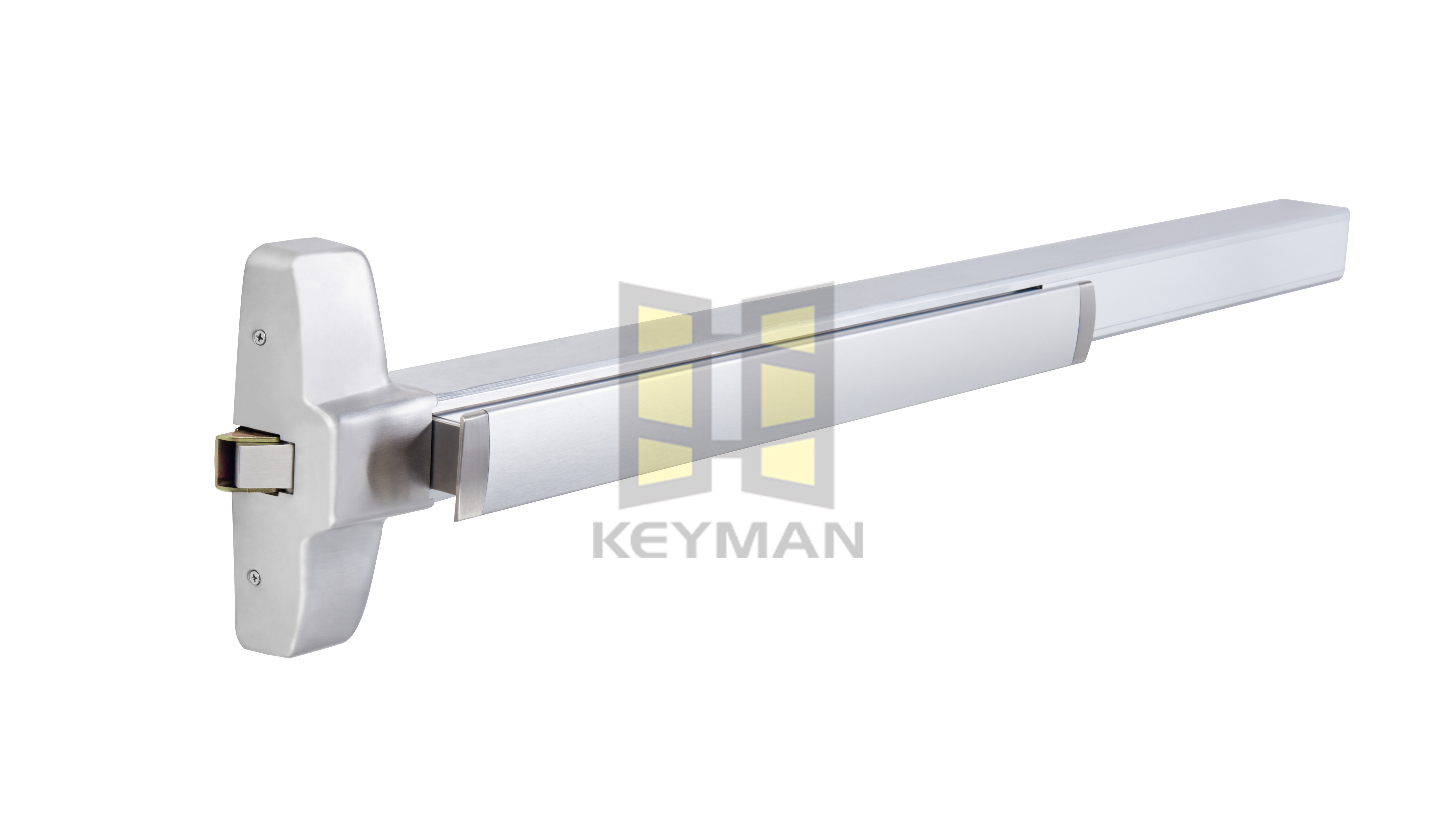
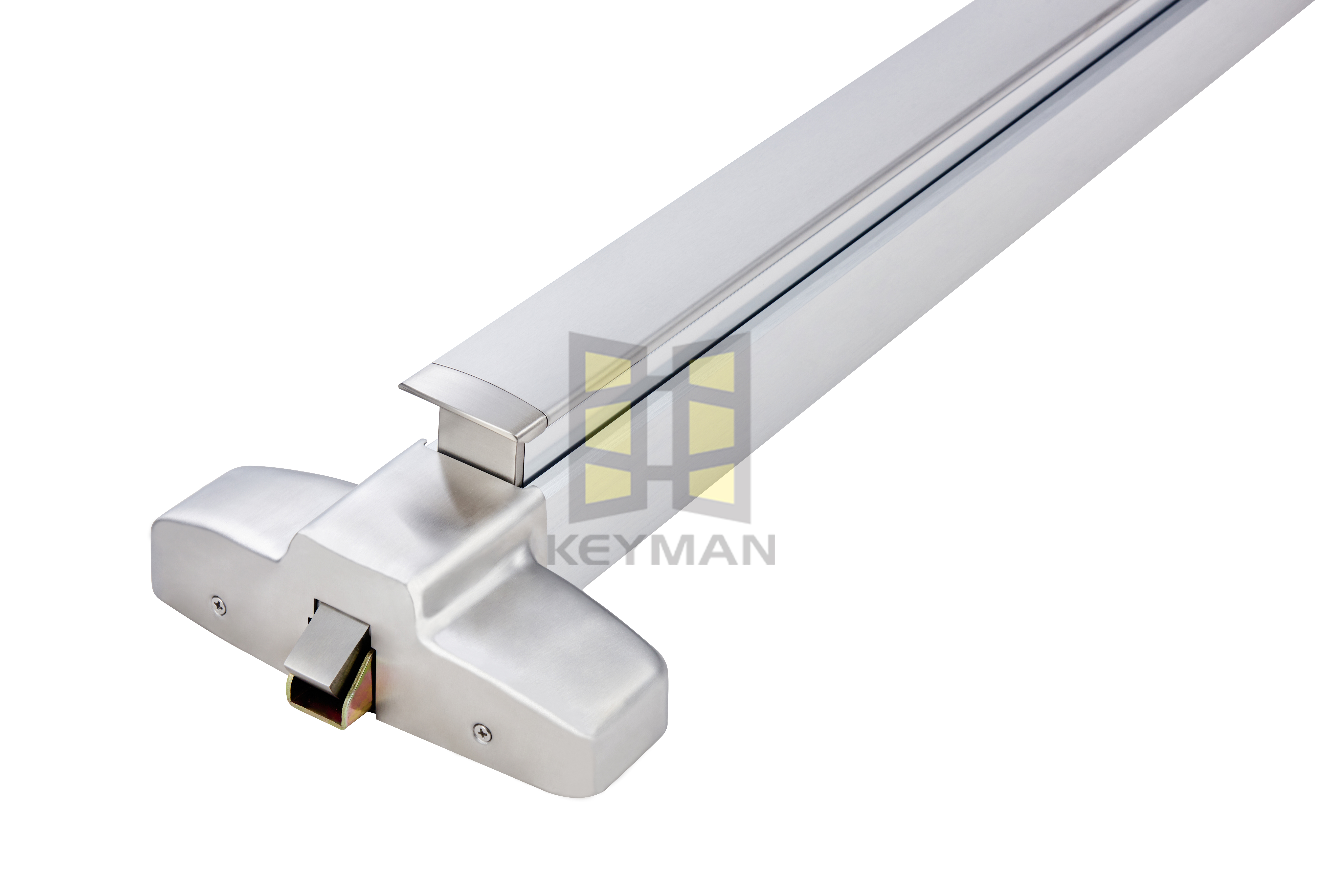
A panic bar is a horizontal bar mounted on the interior side of a door. When pressure is applied (e.g., by a person pushing against it), the mechanism retracts the latch or bolt, allowing the door to open. This meets building and fire codes that mandate unobstructed egress. The core function is "push to exit." What happens to the lock after the door closes is where systems differ.
The Key Factor: Latch Retraction Mode
The re-locking behavior is determined by the latch retraction mode of the panic device. There are two main modes:
Fail-Safe (Also called Electric / Electromagnetic): These devices require constant power to remain unlocked. The panic bar is typically tied to an electric strike or electromagnetic lock. When the fire alarm is activated or a push-button is used, power is cut, the lock releases, and the door can be opened via the panic bar. Once the door closes and power is restored, the lock re-engages. These do not automatically re-lock in the mechanical sense; their locking state is controlled by the electrical system.
Fail-Secure (Also called Electric / Electromechanical): These devices require power to unlock. In a typical setup, the panic bar is mechanically always operable for egress, but the outside entry is locked. To grant entry, power is momentarily applied to retract the latch electrically (e.g., via a card reader, keypad, or request-to-exit sensor). When the door closes after an exit, the mechanical latch simply springs back into the strike plate, effectively re-locking instantly. This is the most common configuration for maintaining security after an egress event.
Types of Panic Door Locks and Their Re-Locking Behavior
The table below summarizes the most common panic device configurations and their post-exit behavior:
| Device Type | Primary Function | Typical Re-Locking Behavior After Exit | Common Use Case |
|---|---|---|---|
| Mechanical (Standard) | Basic egress only. | Yes, immediately. The latch bolt springs back upon door closure. | Emergency exits where no entry is required from the outside. |
| Electromechanical (Fail-Secure) | Egress + controlled entry. | Yes, immediately. The latch is mechanically engaged when door is closed; entry requires electric signal. | Main building entrances, secured stairwells. |
| Electromagnetic (Fail-Safe) | Egress; unlocked during alarm. | No, unless power is restored. Lock disengages with alarm; re-locks only when power returns. | Doors along fire escape routes that must be unlocked during an emergency. |
| Delayed Egress | Egress with a 15-30 second delay and alarm. | Yes, after delay and reset. Door re-locks automatically after the delay cycle completes and door is closed. | High-security retail, hospitals, places needing theft deterrent. |
FAQ Section
Q1: Do most panic doors lock behind you?A: In the context of maintaining building security, yes, most standard installations (especially electromechanical, fail-secure types) are designed to re-lock automatically once the door closes. This prevents unauthorized entry from the outside after an authorized egress.
Q2: Can you re-enter through a panic door from the outside?A: Not without an entry credential. From the outside, a panic door typically functions as a locked door. Entry requires a key, keypad code, card reader, or other authorized means to electrically retract the latch (in fail-secure systems) or to disengage the lock.
Q3: What is the difference between "fail-safe" and "fail-secure" in panic hardware?A: This is a critical distinction. Fail-Safe means the door becomes unlocked in a power failure, prioritizing life safety. Fail-Secure means the door remains locked in a power failure, prioritizing security. The choice depends on the door's location and fire code requirements.
Q4: Is it legal for a panic door to re-lock automatically?A: Yes, absolutely. Building codes (like the International Building Code and NFPA 101) govern egress, not ingress. The requirement is that occupants can exit immediately and without special knowledge from the inside. Automatic re-locking for security is standard and compliant, as long as the egress path remains unobstructed.
Q5: Why would a panic door NOT re-lock?A: Several reasons: It could be a fail-safe (electromagnetic) lock that has lost power; the latch mechanism could be damaged or worn; the door or frame could be misaligned preventing the latch from catching; or it could be intentionally deactivated for a specific operational purpose.
Conclusion
Understanding whether a panic door re-locks is essential for both security planning and safety compliance. While the fundamental purpose of a panic bar is to guarantee free egress, the majority of systems in everyday use are indeed designed to re-secure the door automatically after it closes. This dual function—free exit, controlled entry—makes modern panic hardware indispensable. Always consult with a door hardware specialist and local authorities to ensure your panic devices are configured correctly for your specific security needs and life safety obligations.
Panic Door Lock
Fire Panic Bar
Panic Bar
KEYMAN is Your Choice Of Security!
If you have any questions regarding our products or services, please leave your details and our team will respond to you.
: +86-13823964887
: +86-13823964887


