
Have you ever pushed through a heavy commercial exit door, heard the mechanical click as it closed, and immediately panicked that you might be locked out? It is a common moment of hesitation. We see these horizontal bars in schools, hospitals, theaters, and offices every day, yet few people understand how they actually function.
The short answer to "does the panic door lock behind you?" is: It depends on the hardware settings.
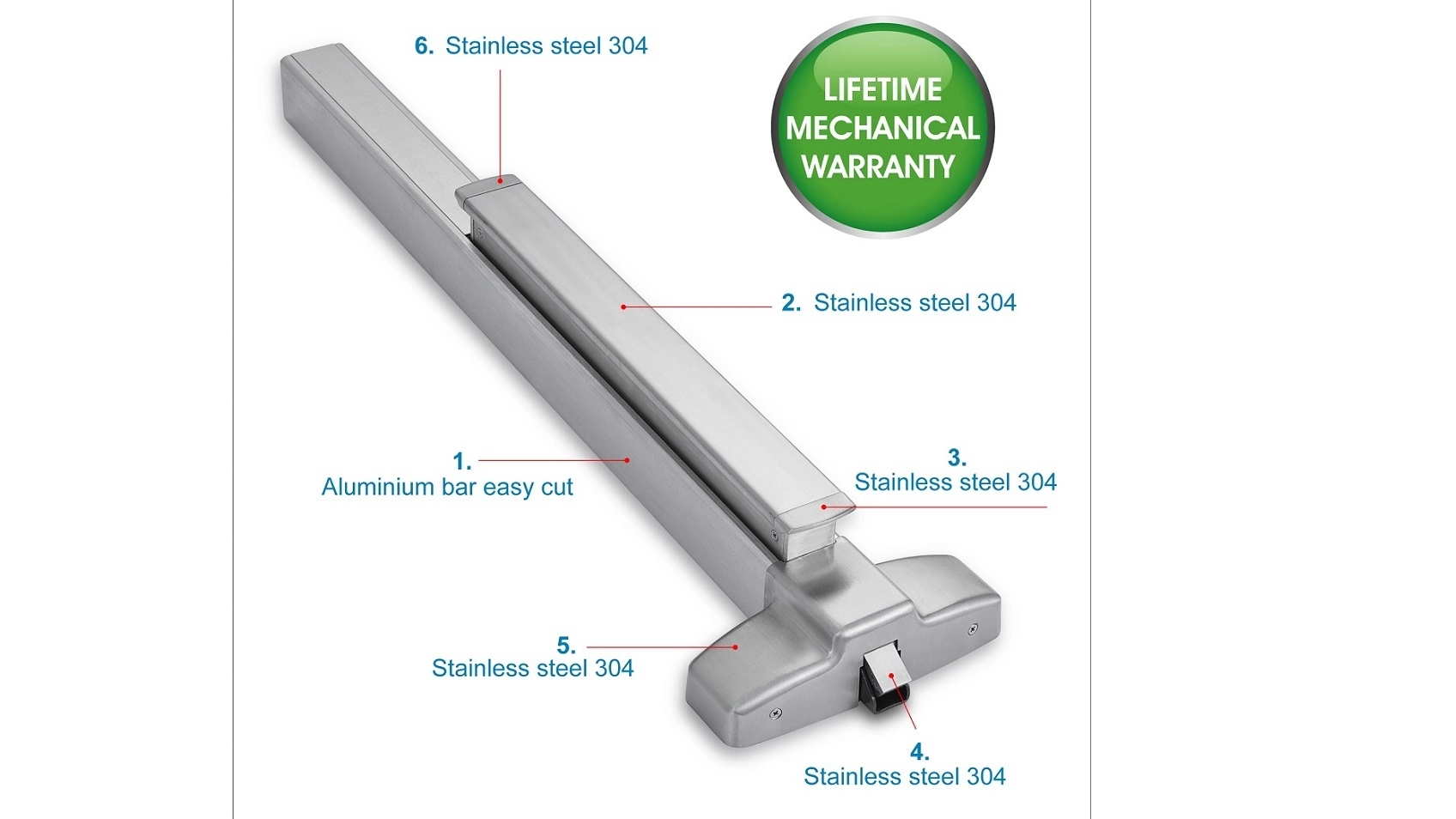
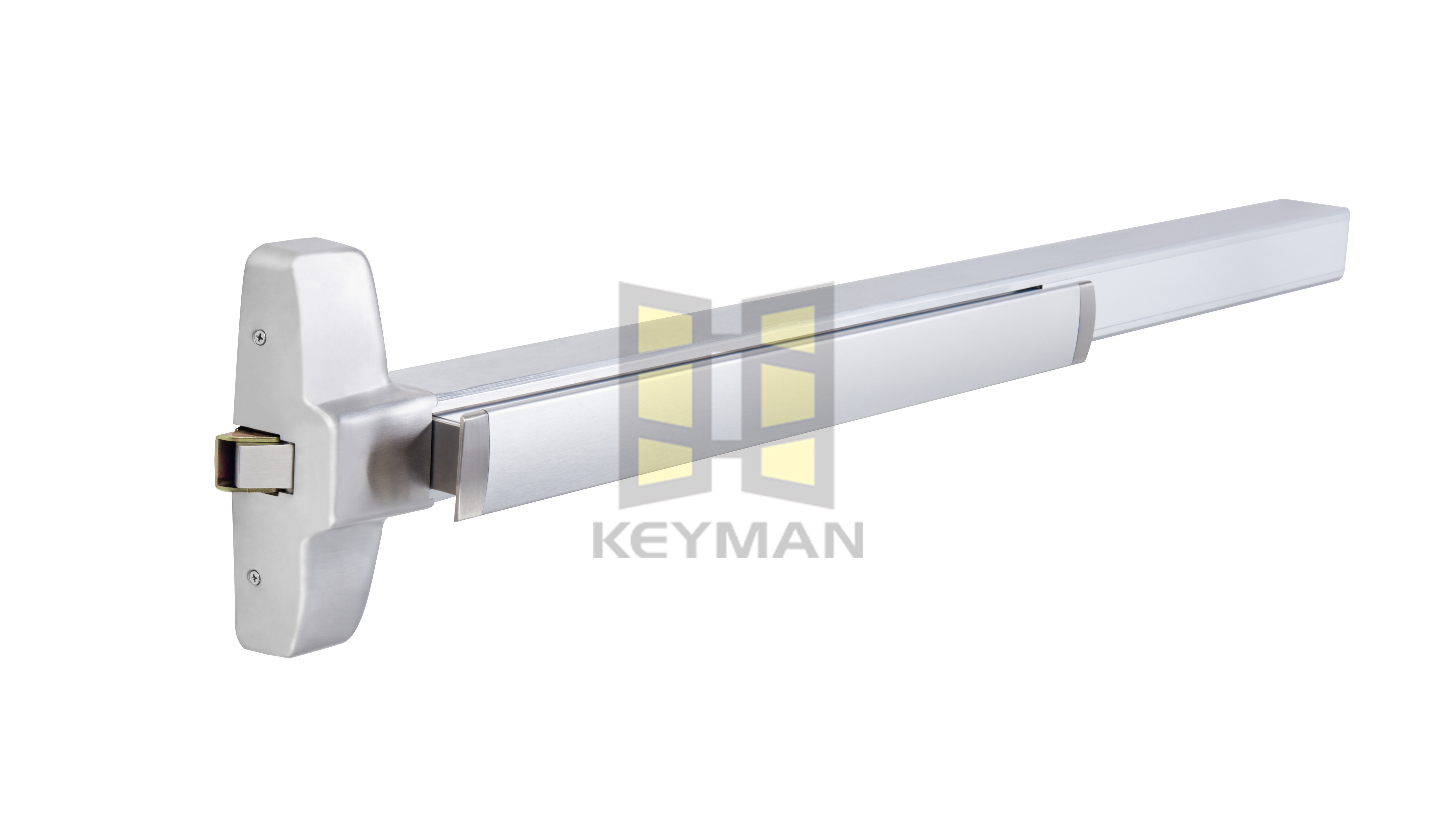
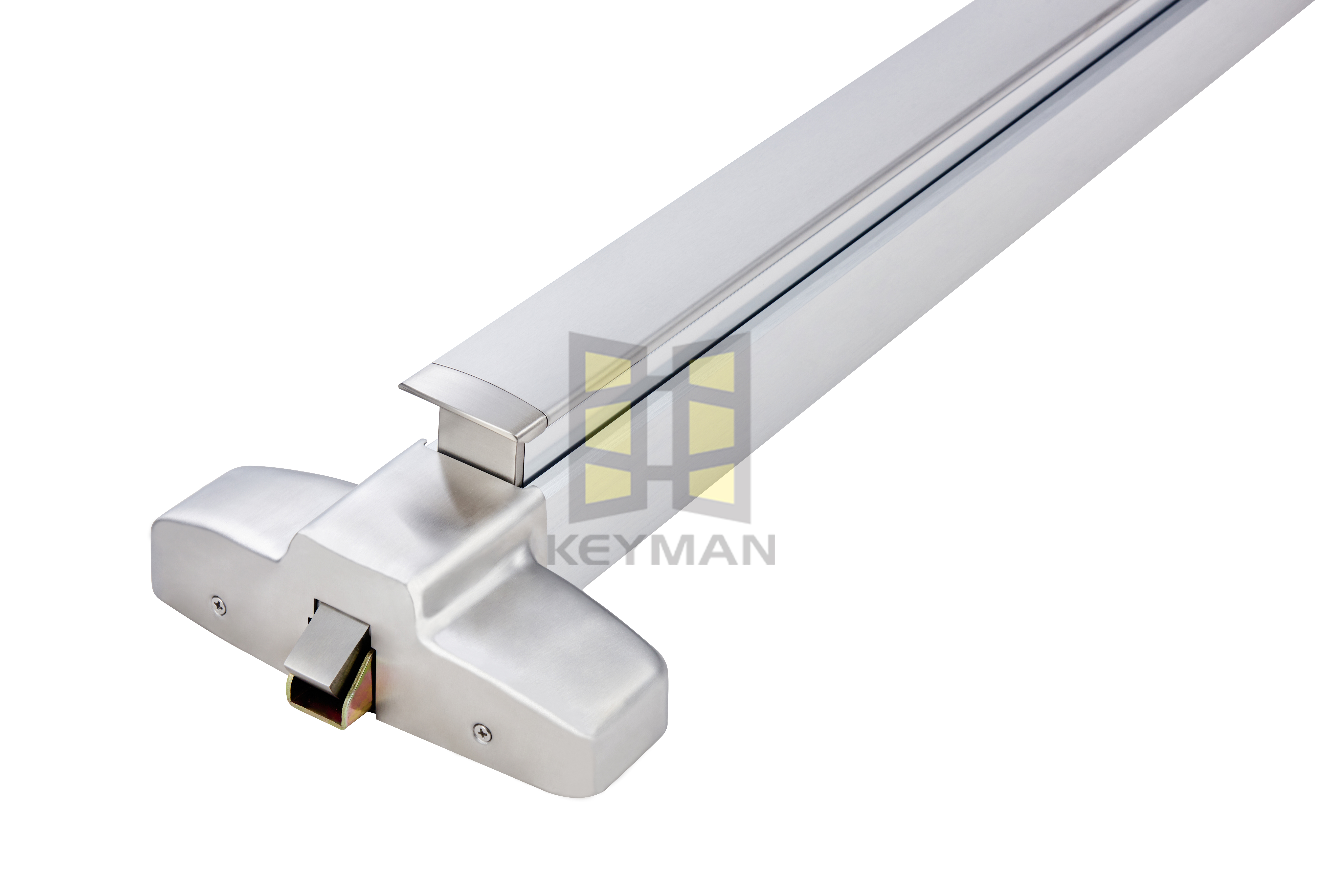
While the primary job of a panic door lock (also known as a crash bar or exit device) is to ensure people can leave a building quickly during an emergency, the security from the outside varies significantly based on how the door is configured.
This guide explores the mechanics of these essential safety devices, how to tell if you will be locked out, and the different functions available for building owners.
The Two Sides of a Panic Door
To understand if a door is locked, you have to separate the concept of "egress" (going out) from "ingress" (coming in).
The Inside (Egress)
By law and fire code, a panic device must always allow free egress. This means if you are inside the building, pushing the bar will always open the door. You generally cannot be "locked in" by a standard panic bar. Even if the door is locked from the outside to prevent strangers from entering, the internal bar remains active to ensure safety during a fire or evacuation.
The Outside (Ingress)
This is where the confusion lies. The exterior side of the door can be set up in multiple ways. It might have a handle that is always locked, a handle that is always unlocked, or no handle at all. Whether the door locks behind you depends entirely on the "trim" function installed on the exterior.
Common Panic Bar Functions
Not all exit devices are created equal. The behavior of the lock depends on the specific function chosen by the facility manager or locksmith. Here is a breakdown of the most common configurations you will encounter.
Function Name | Exterior Hardware | Does it Lock Behind You? | Best Use Case |
|---|---|---|---|
Exit Only | None (blank plate) | Yes. There is no way to open it from the outside without a specific key or tool (if a cylinder exists). | Emergency exits in theaters or back alleys. |
Night Latch | Key cylinder only (often with a pull handle) | Yes. The key retracts the latch to open the door, but once you remove the key, the door remains locked. | Employee entrances where high security is needed. |
Classroom | Lever handle with a key cylinder | Depends. The key can toggle the handle between "locked" and "unlocked" modes. | Schools, offices, and meeting rooms. |
Storeroom | Lever handle with a key cylinder | Yes. The handle is rigid and always locked. You need a key every time you enter. | Supply closets, server rooms, and restricted areas. |
Passage | Lever handle (no key) | No. The handle is always active and the door never locks. | Hallways connecting non-secure areas. |

What Is "Dogging" the Device?
If you have ever walked into a business during the day and noticed the push bar is held in a retracted (pushed in) position, this is called "dogging."
Mechanically dogging a panic door lock holds the latch inside the housing. When a device is dogged, the door functions like a simple push-pull door. It does not latch, and therefore, it cannot lock.
This is common in high-traffic areas during business hours. For example, a church might "dog" the front doors before a service to let people enter freely. Once the service is over, they use a hex key (Allen wrench) to undog the device. The latch pops back out, and the door becomes secure from the outside again.
If the bar is pushed in and stays there, the door will not lock behind you. If the bar pops back out when you let go, the latch is active, and you might be locked out depending on the exterior handle function.
Why Some Doors Must Lock Behind You
It might seem inconvenient to be locked out after stepping into an alley or parking lot, but this functionality is intentional. Security requires a balance between life safety and access control.
Security and Loss Prevention
In retail environments, back doors are often outfitted with "Exit Only" panic bars. These prevent thieves from entering the stockroom. If an employee takes out the trash, the door locks instantly behind them to maintain the integrity of the building’s security perimeter.
Access Control Integration
Modern buildings often link their panic hardware to electronic access control systems. You might see a card reader or keypad on the outside. In this scenario, the door is always locked to the general public. However, an authorized user can scan their badge to momentarily unlock the exterior handle. Once they enter and the door closes, it immediately resets to a locked state.
FAQ: Panic Door Locks
Can a panic bar be locked from the inside?
Generally, no. Standard panic bars are designed so that they cannot be locked from the inside to prevent egress. The bar must always be depressible to allow people to escape during a fire. However, some specialized "lockdown" devices exist for schools that allow authorized staff to disable the exterior handle from the inside, but the interior push pad still allows exit.
How do I know if the door is alarmed?
Many "Exit Only" panic devices are equipped with a local alarm. These are usually labeled clearly with text like "Emergency Exit Only – Alarm Will Sound." If you see this signage, assume the door is locked from the outside and that opening it will trigger a siren.
What if the panic bar is stuck?
If the bar is stuck in the depressed position, it is likely "dogged" down. Look for a small hole on the device and use a hex key to release it. If it is stuck in the out position and won't move, the mechanism may be jammed or broken, creating a fire hazard. This requires immediate attention from a locksmith.
Can I use a padlock on a panic bar?
Never use a padlock and chain on a panic bar if the building is occupied. This is a severe violation of fire codes. In 1911, the Triangle Shirtwaist Factory fire resulted in tragic loss of life partly because exits were locked to prevent theft. Modern codes strictly prohibit anything that impedes the operation of a panic bar while people are inside.
Conclusion
So, does the panic door lock behind you? If you are stepping out of a secure area, a back alley exit, or a storeroom, you should assume the answer is yes. These devices are engineered to prioritize the safety of those escaping a building while keeping unauthorized visitors out.
Before letting that heavy door click shut, check the handle function or look for a "dogging" feature. Understanding how these devices work doesn't just prevent you from getting locked out in the cold—it helps you better understand the safety systems designed to protect you.
KEYMAN is Your Choice Of Security!
If you have any questions regarding our products or services, please leave your details and our team will respond to you.
: +86-13823964887
: +86-13823964887


