
If you've ever shopped for door hardware or worked with a locksmith, you've probably encountered the term "mortise lock." But have you ever wondered where this name comes from? Unlike surface-mounted rim locks or cylindrical locks, mortise locks have a distinctive installation method that gives them their unique name—and understanding this can help you appreciate why they remain a popular choice for both residential and commercial applications.
The Origin of "Mortise"
The term "mortise" comes from traditional woodworking, where it refers to a cavity or pocket cut into a piece of material—typically wood—to receive a corresponding projection called a tenon. This mortise-and-tenon joint has been used for centuries in carpentry and furniture making because it creates strong, stable connections.
When applied to door locks, a mortise lock is one that requires a pocket (or mortise) to be cut into the edge of the door. The lock body sits inside this cavity, making it largely invisible from the door's surface. This installation method is what distinguishes mortise locks from other types and gives them their name.

How Mortise Locks Work
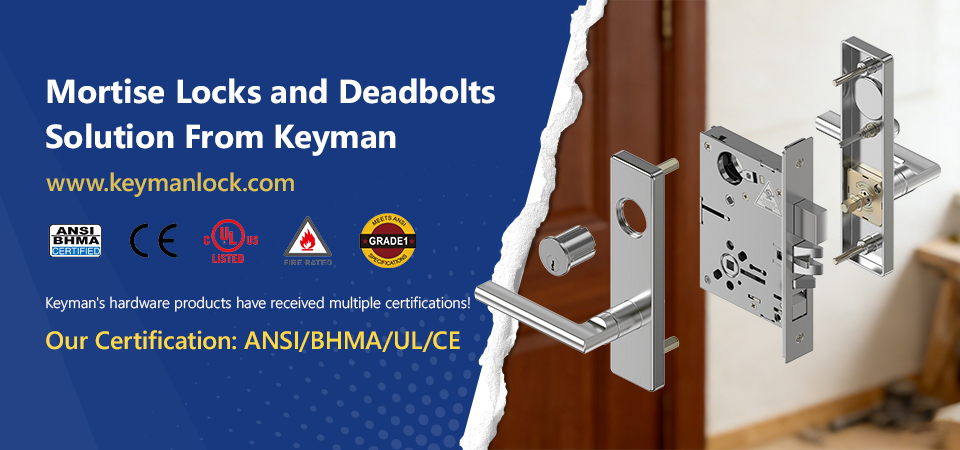
A mortise lockset consists of several components that work together within the door's mortise pocket:
The Lock Body: This rectangular metal case houses the locking mechanism and sits inside the mortised cavity in the door edge.
The Cylinder: This is where you insert the key. Depending on the design, mortise locks can accommodate various cylinder types, including euro profile cylinders or standard key cylinders.
Trim Hardware: The visible components on either side of the door, including handles, knobs, or lever sets that operate the lock.
Strike Plate: Mounted on the door frame, this receives the lock's latch or bolt when the door closes.
When you turn the handle or key, internal components within the mortise lock body engage or disengage the latch or deadbolt, securing or releasing the door.
Why Choose a Mortise Lock?
Mortise locks offer several advantages that make them worth the more complex installation:
Superior Security: Because the lock mechanism is embedded within the door rather than surface-mounted, mortise locks are more difficult to tamper with or force open. Many mortise locksets meet ANSI Grade 1 standards, the highest security rating for commercial locks.
Durability: The robust construction of mortise locks means they can withstand heavy use. This makes them ideal for high-traffic commercial applications like office buildings, schools, and hotels.
Versatility: Mortise locks can incorporate multiple functions in one unit, including passage, privacy, entrance, and storeroom functions. Some models even include electrified versions for access control systems.
Professional Appearance: The clean, integrated look of mortise locks suits both traditional and modern architectural styles, making them a popular choice for designer hardware applications.
Mortise Locks vs. Other Lock Types
Understanding how mortise locks compare to alternatives can help you make informed decisions:
Cylindrical Locks: These are the most common residential locks, with the lock mechanism contained within the door knob or lever. They're easier to install but generally less secure and durable than mortise locks.
Rim Locks: These mount on the door's surface rather than being recessed. While simpler to install, they're more vulnerable to forced entry.
Tubular Locks: Similar to cylindrical locks, these have the locking mechanism in the knob but use a different internal design. They're typically less expensive but offer moderate security.
For commercial properties or high-security residential applications, mortise locks remain the gold standard due to their strength and reliability.
Different Types of Mortise Locks
Mortise locks come in various configurations to meet different needs:
Sectional Mortise Locks: These feature separate components that can be customized based on specific requirements, making them popular for commercial applications.
Escutcheon Mortise Locks: These include decorative plates (escutcheons) around the keyhole and handle, offering both functionality and aesthetic appeal.
Electrified Mortise Locks: Available in both solenoid (wired) and motor (wireless) versions, these integrate with electronic access control systems while maintaining mechanical backup options.
Euro Profile Mortise Locks: Common in European markets, these use euro cylinders and meet EN 12209 standards, with some models offering fire ratings up to 4 hours.

Installation Considerations
Installing a mortise lock requires more expertise than simpler lock types. A rectangular pocket must be precisely cut into the door edge to house the lock body, and additional mortises may be needed for the faceplate and any auxiliary components. This is why mortise lock installation is typically handled by professional locksmiths or experienced carpenters.
The door itself must be thick enough to accommodate the mortise pocket without compromising structural integrity—typically at least 1-3/4 inches thick for residential applications and 1-3/4 to 2 inches for commercial doors.
Understanding the Name Helps You Choose Wisely
The name "mortise lock" directly describes its defining characteristic: a lock that sits within a mortise cut into the door. This design has stood the test of time because it offers unmatched security, durability, and versatility.
Whether you're securing a commercial property, upgrading your home's security, or selecting hardware for a new construction project, understanding what makes a mortise lock unique helps you make the right choice. Companies like Keyman Lock specialize in manufacturing ANSI and UL standard mortise locksets, offering everything from mechanical sectional designs to advanced electrified versions that integrate with modern access control systems.
The next time someone asks why it's called a mortise lock, you'll know: it's all about the pocket.
mortice lock
mortise lockset
mortise cylinder lock


KEYMAN is Your Choice Of Security!
If you have any questions regarding our products or services, please leave your details and our team will respond to you.
: +86-13823964887
: +86-13823964887


