
Building safety isn't just about having the right equipment—it's about having equipment that works seamlessly when it matters most. Emergency exits need to be reliable, code-compliant, and unobtrusive. That's where concealed vertical rod exit devices come in.
If you've ever wondered how commercial buildings balance security with quick egress, or why some exit doors have no visible hardware on the outside, you're in the right place. This guide will walk you through everything you need to know about concealed vertical rod exit devices: what they are, how they work, and why they're a popular choice for architects, building owners, and safety managers.
Understanding Exit Devices
Before diving into concealed vertical rod systems specifically, let's establish some context.
Exit devices (also called panic hardware or crash bars) are mechanisms mounted on doors to allow quick, easy egress during emergencies. They're designed to unlock a door when pressure is applied to a horizontal bar or touchpad, ensuring people can exit a building without fumbling for keys or handles.
These devices are required by building codes in many commercial and public spaces, particularly where high occupancy or fire safety is a concern. The International Building Code (IBC) and National Fire Protection Association (NFPA) both outline strict requirements for exit hardware, including ease of use, durability, and fail-safe operation.
What Makes It "Concealed Vertical Rod"?
A concealed vertical rod exit device is a specific type of panic hardware that secures a door at both the top and bottom, using rods that run vertically inside the door. When someone pushes the exit bar, the rods retract into the door, releasing the latches and allowing the door to swing open.
The key word here is "concealed." Unlike surface-mounted vertical rod devices, which have visible rods on the face of the door, concealed systems are installed within the door itself. This creates a cleaner, more streamlined appearance—an important consideration for high-end commercial buildings, hospitals, schools, and other spaces where aesthetics matter.
How Does It Work?
The mechanics are straightforward but effective:
1.Rods and Latches: Vertical rods extend from the exit device mechanism to the top and bottom of the door frame, where they engage with strike plates or latches.
2.Push Bar Activation: When someone pushes the horizontal bar (also called a touchpad), it triggers the internal mechanism, causing the rods to retract.
3.Door Release: With the rods retracted, the door is free to swing open, allowing quick egress.
4.Automatic Reset: Once the door closes, the rods extend back into their locked position, securing the door again.
Because the rods are hidden inside the door, there's no external hardware to interfere with the door's appearance or operation. This also reduces the risk of tampering or accidental damage.
Key Features and Benefits
Clean Aesthetic
The most obvious advantage is appearance. Concealed vertical rod devices offer a sleek, minimalist look that's ideal for modern architecture. There are no bulky rods or visible hardware to disrupt the door's design, making them a favorite among architects and designers.
Multi-Point Locking
By securing the door at both the top and bottom, concealed vertical rod systems provide superior security compared to single-point latches. This makes them especially useful for exterior doors, high-security areas, or doors that need to withstand heavy use.
Code Compliance
When installed correctly, concealed vertical rod exit devices meet the stringent requirements set by the IBC, NFPA 101 (Life Safety Code), and other relevant standards. They're designed to allow egress with a single motion, without requiring prior knowledge or special effort—a critical feature in emergency situations.
Durability
These devices are built to last. High-quality units feature stainless steel or aluminum construction, weather-resistant finishes, and heavy-duty internal components that can handle thousands of cycles without failure.
Versatility
Concealed vertical rod exit devices can be used on a variety of door types, including:
· Hollow metal doors
· Wood doors (when properly prepared)
· Aluminum-framed glass doors
· Fire-rated doors (when paired with appropriate hardware)
They're also compatible with a range of access control systems, electric strikes, and other security features.
Common Applications
You'll find concealed vertical rod exit devices in settings where security, aesthetics, and code compliance all matter:
· Corporate Offices: Sleek appearance matches modern design while maintaining security.
· Healthcare Facilities: Smooth operation and durability stand up to constant use.
· Educational Institutions: Reliable egress for high-traffic areas like gymnasiums and auditoriums.
· Retail Spaces: Unobtrusive hardware maintains the shopping environment's look.
· Government Buildings: High security with fail-safe egress functionality.
Concealed vs. Surface-Mounted: What's the Difference?
It's worth comparing concealed vertical rod devices to their surface-mounted counterparts.
Feature | Concealed Vertical Rod | Surface-Mounted Vertical Rod |
|---|---|---|
Appearance | Clean, hidden hardware | Visible rods on door face |
Installation | Requires door prep | Easier to install |
Durability | Protected from damage | Exposed to impact/weather |
Cost | Typically higher | More budget-friendly |
Maintenance | Less frequent | May require more attention |
Surface-mounted systems are often easier and cheaper to install, especially on existing doors. However, concealed systems offer a superior look and better protection for the hardware itself, making them a smart long-term investment for many projects.

Installation Considerations
Installing a concealed vertical rod exit device isn't a DIY project. It requires precise door preparation, including routing channels for the vertical rods and ensuring proper alignment with the frame. Here are a few things to keep in mind:
· Door Material: The door must be thick enough to accommodate the rods and mechanism. Hollow metal and solid wood doors are ideal.
· Fire Rating: If the door is fire-rated, the exit device must also be fire-rated and installed according to manufacturer specifications.
· Handing: Exit devices are handed (left or right), so it's essential to specify the correct configuration during ordering.
· Professional Installation: To ensure code compliance and proper function, hire a qualified locksmith or door hardware technician.
Maintenance and Longevity
Like any mechanical device, concealed vertical rod exit devices require periodic maintenance to perform reliably. Fortunately, maintenance is minimal:
· Lubrication: Apply lubricant to moving parts annually (or as recommended by the manufacturer).
· Inspection: Check for smooth operation, tight screws, and proper alignment.
· Testing: Push the bar to ensure rods retract fully and the door opens easily.
· Cleaning: Wipe down the touchpad and visible hardware to prevent buildup.
With proper care, a high-quality concealed vertical rod exit device can last 15 years or more, even in high-traffic environments.
Choosing the Right Device
Not all concealed vertical rod exit devices are created equal. When selecting hardware for your project, consider:
· Grade: Look for devices rated Grade 1 by ANSI/BHMA (American National Standards Institute/Builders Hardware Manufacturers Association). This indicates the highest level of performance and durability.
· Finish: Choose a finish that matches your door and complements the building's design. Common options include satin stainless steel, aluminum, and bronze.
· Functions: Decide whether you need additional features like dogging (allowing the latch to be held open), alarm integration, or electrified operation.
· Manufacturer Reputation: Stick with trusted brands known for quality and customer support.
Why It Matters
Exit devices aren't glamorous, but they're essential. They protect lives during emergencies and provide peace of mind for building occupants. Concealed vertical rod systems take this responsibility seriously while also delivering the aesthetics and functionality modern buildings demand.
Whether you're designing a new building, upgrading an existing facility, or simply trying to understand your options, knowing the ins and outs of concealed vertical rod exit devices puts you in a stronger position to make informed decisions.
Ready to Upgrade Your Exit Hardware?
Concealed vertical rod exit devices offer a winning combination of safety, security, and style. They're code-compliant, durable, and designed to perform when it counts.
If you're planning a construction or renovation project, consult with a door hardware specialist to determine the best solution for your needs. With the right hardware in place, you can ensure your building is safe, secure, and ready for anything.
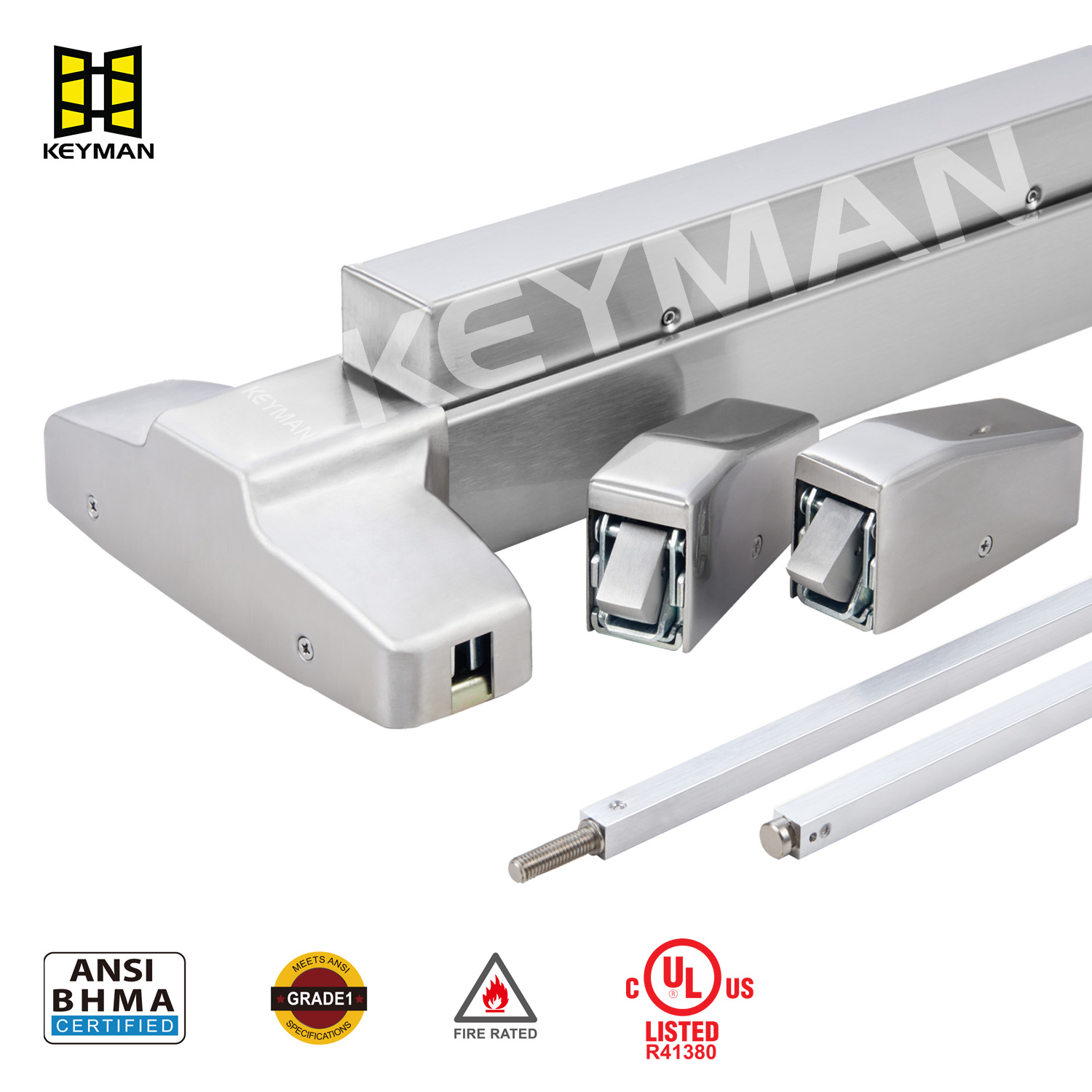
Concealed Vertical Rod Exit Device
Vertical Rod Exit Device
Vertical Rod Exit Device parts


KEYMAN is Your Choice Of Security!
If you have any questions regarding our products or services, please leave your details and our team will respond to you.
: +86-13823964887
: +86-13823964887


