
If you have ever walked out of a movie theater, a shopping mall, or an office building through a back door, you have likely pushed a horizontal bar to exit. While most people simply call this a "panic bar" or "crash bar," professionals in the security and architectural hardware industry know there are several distinct types. The most common among them is the rim exit device.
Understanding the terminology of door hardware can be frustrating. You might be a facility manager looking to replace a broken lock, a business owner upgrading security, or an architect drafting plans. Regardless of your role, choosing the wrong device can lead to code violations, security risks, or installation headaches.
This guide will break down exactly what a rim exit device is, how it functions, and why it remains the industry standard for single-door applications.
Defining the Rim Exit Device
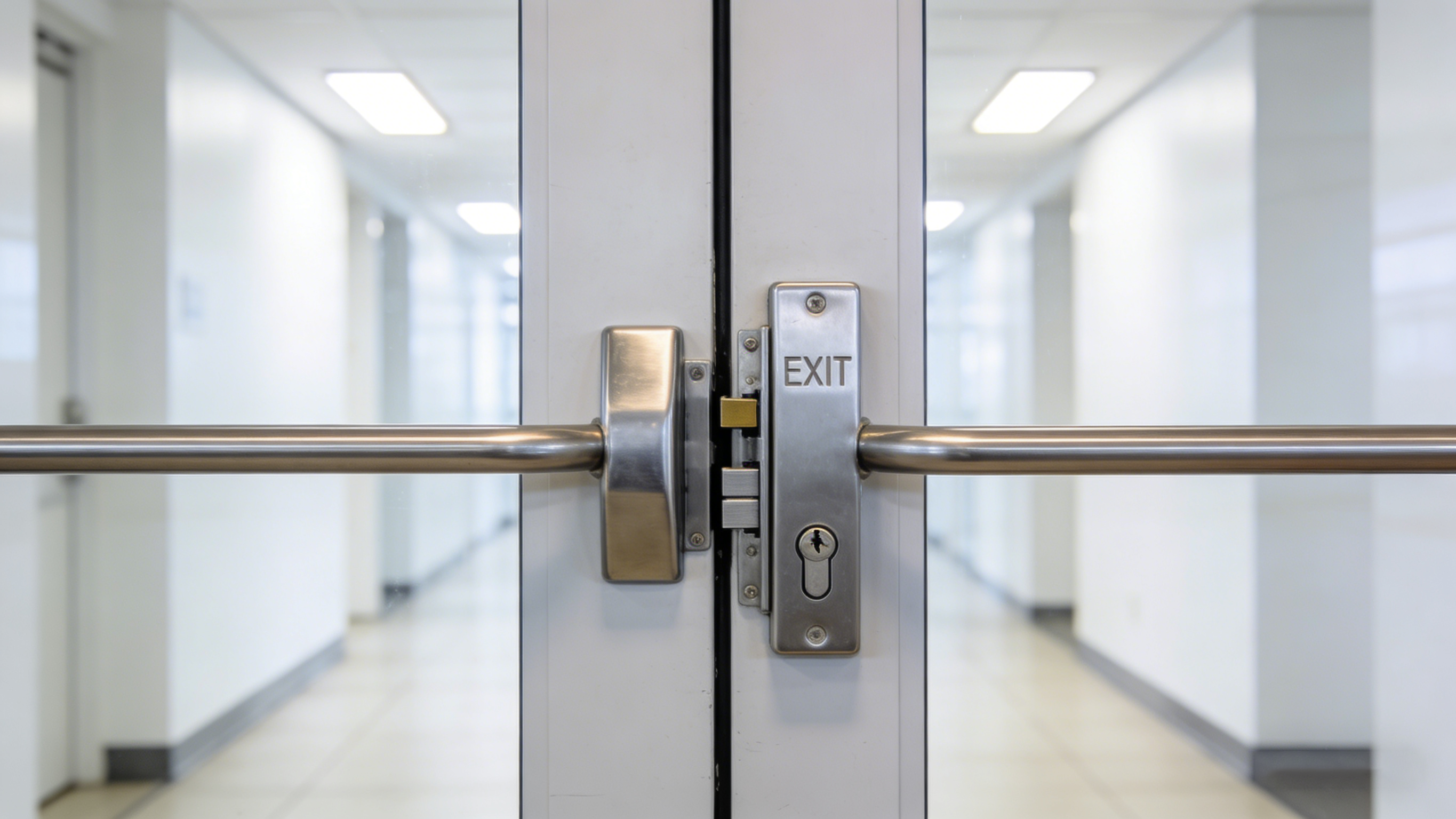
A rim exit device is a specific type of panic hardware used on commercial doors. Its defining characteristic is how it is mounted. Unlike other locking mechanisms that are mortised (cut) into the interior of the door, a rim device is surface-mounted on the face of the door.
The term "rim" refers to the way the latch bolt interacts with the door frame. The device has a latch bolt that projects from the panic bar housing itself. This bolt engages with a strike plate that is mounted on the surface of the door stop (the "rim" of the frame).
Because the entire mechanism sits on the surface, these devices are incredibly popular for their ease of installation and maintenance. They are designed to allow safe, single-motion egress—meaning you just push the bar, and the door opens.
How It Works
The mechanics are relatively straightforward. When a person presses the push pad or crossbar:
The internal mechanism retracts the latch bolt.
The latch bolt pulls away from the strike plate mounted on the door frame.
The door swings open freely.
When the door closes, the latch bolt hits the strike plate and retracts momentarily before popping back out to secure the door. This ensures the door is locked from the outside (preventing unauthorized entry) while always remaining unlockable from the inside for emergency exit purposes.
Rim Devices vs. Other Exit Hardware
To truly understand what makes a rim exit device unique, it helps to compare it to the other two main types of exit hardware: Mortise devices and Vertical Rod devices.
The following table outlines the key differences to help you identify which hardware you might currently have or need.
Feature | Rim Exit Device | Mortise Exit Device | Surface Vertical Rod (SVR) |
|---|---|---|---|
Mounting Style | Surface-mounted on the face of the door. | Installed inside a pocket (mortise) cut into the edge of the door. | Surface-mounted rods run to the top and bottom of the door. |
Latch Location | Projects horizontally from the device body into the frame. | Projects from the side of the door, similar to a standard lock. | Latches at the very top of the door frame and into the floor. |
Installation Difficulty | Low. Requires minimal drilling and no large cutouts. | High. Requires precise door preparation and pocket cutout. | Medium/High. Rods must be adjusted perfectly to latch correctly. |
Best Application | Single doors or double doors with a center mullion. | High-security or aesthetic applications where a flush look is desired. | Double doors without a center mullion. |
When Should You Use a Rim Exit Device?
While versatile, the rim exit device is not the perfect solution for every opening. Knowing when to specify or purchase one depends on the door configuration.
Single Doors
This is the ideal application. For a standard single commercial door (hollow metal, wood, or aluminum), a rim device is almost always the best choice. It is cost-effective, easy to install, and provides a high level of security.
Double Doors with a Mullion
If you have a pair of double doors, you can use rim devices if there is a mullion in the middle. A mullion is a vertical post that separates the two doors. The rim devices on the left and right doors will latch into this center post.
If you have double doors without a center mullion, a rim exit device generally will not work because there is no strike plate for the latch to grab onto. In that scenario, you would typically need a vertical rod device.
The Advantages of Rim Hardware
Why is this specific type of hardware so prevalent in hospitals, schools, and offices? It comes down to a few key benefits.
1. Ease of Installation
Because the device sits on the surface, the door preparation is minimal. You do not need to cut out a large pocket inside the door (as you do with mortise locks). This makes rim devices perfect for retrofitting—taking an old door and upgrading the hardware without needing to replace the door itself.
2. Durability and Maintenance
With fewer internal components hidden inside the door, troubleshooting is easier. If a rim exit device malfunctions, a locksmith can simply remove the cover to access the mechanism. Furthermore, because the chassis is robust and surface-mounted, it tends to withstand the heavy abuse of high-traffic areas.
3. Security Options
Modern rim devices offer sophisticated security features. You can find models with:
Dogging: A feature that holds the latch retracted, allowing the door to function as a push-pull door during business hours.
Electric Latch Retraction: Allows the door to be unlocked remotely via an access control system (like a badge reader or keypad).
Delayed Egress: An alarm sounds when the bar is pushed, and the door stays locked for 15 or 30 seconds before opening (common in retail to prevent theft).
1
Potential Drawbacks
Despite their popularity, there are minor downsides to consider.
Aesthetics: Because the hardware is surface-mounted, it is more visible than a mortise lock. For high-end architectural lobbies, this might appear "bulky."
The Strike Plate: The strike plate (the metal piece on the frame that catches the latch) protrudes slightly into the opening. While minor, it can occasionally catch on clothing or equipment being moved through the doorway.
1
Frequently Asked Questions
Can I use a rim exit device on a glass door?
Yes, but specific models are required. "Narrow stile" rim devices are designed to fit on the narrow aluminum frames of glass storefront doors. You cannot put a standard wide-chassis device on a glass door because the frame isn't wide enough to support it.
What is the difference between a rim exit device and a panic bar?
A rim exit device is a type of panic bar. "Panic bar" is the general category of hardware. "Rim" describes the specific latching mechanism. So, all rim exit devices are panic bars, but not all panic bars are rim devices (some are vertical rods or mortise styles).
Are rim exit devices fire-rated?
They can be. You must specify whether you need "panic hardware" or "fire exit hardware." Fire-rated rim devices are built to withstand high temperatures and ensure the door stays latched during a fire to prevent the spread of smoke and flames. Unlike standard panic bars, fire-rated devices usually cannot be "dogged" (held open) mechanically.
Can I add an exterior handle to a rim device?
Yes. most manufacturers offer "outside trim." This can be a simple pull handle, a thumb-piece lever, or a standard lever handle with a key cylinder. This allows authorized personnel to enter from the outside while ensuring people inside can always exit freely.
Making the Right Choice
The rim exit device is the workhorse of the commercial door industry. It offers a balance of security, safety, and simplicity that other hardware types struggle to match. Whether you are ensuring code compliance for a new building or fixing a back door at a restaurant, identifying this hardware is the first step toward a secure solution.
By sticking to surface-mounted applications on single doors or mullion-equipped double doors, you ensure a long lifespan for your hardware and safety for everyone inside the building.
Rim Exit Device
Exit Device
Door Exit Device

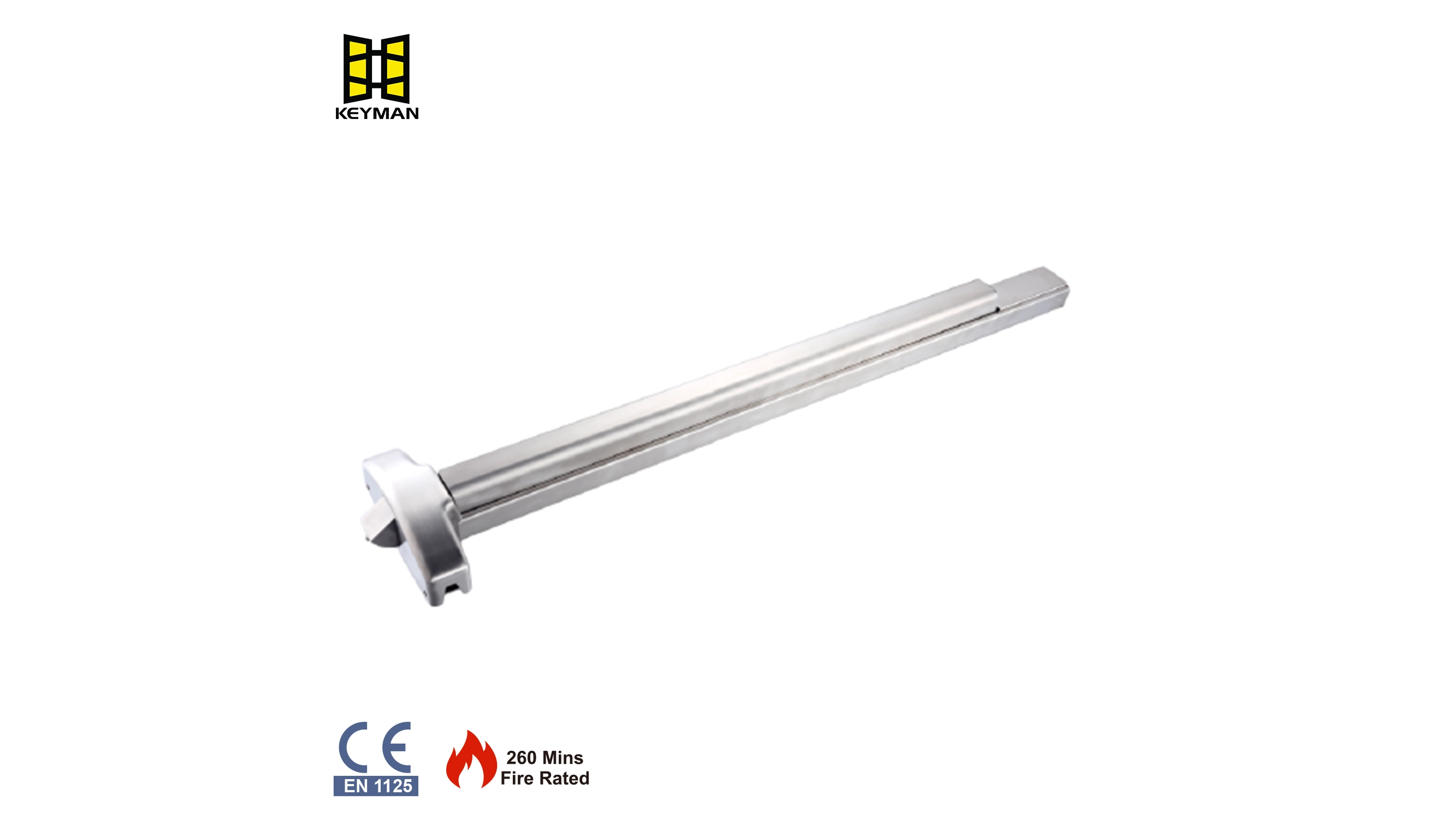
KEYMAN is Your Choice Of Security!
If you have any questions regarding our products or services, please leave your details and our team will respond to you.
: +86-13823964887
: +86-13823964887


