Author: Site Editor Publish Time: 07-11-2025 Origin: Site


A fire alarm blares through a crowded building. In the ensuing rush to escape, a standard door with a rotating knob becomes a dangerous bottleneck. This scenario highlights a critical safety challenge: how to ensure a swift and orderly exit for many people during an emergency. The solution is the panic exit device, a specialized piece of hardware designed to save lives by making emergency egress as simple as possible.
These devices are a common sight in public spaces like schools, theaters, hospitals, and shopping malls, yet many people don't understand how they function. This guide will explain the inner workings of a panic exit device, exploring its core components, the different types available, and why it is a non-negotiable feature for building safety. By understanding how this crucial hardware operates, you can better appreciate its role in protecting occupants and ensuring compliance with safety regulations.
The primary purpose of a panic exit device is to facilitate fast and unobstructed egress from a building during a crisis. Its design ensures that a large group of people can exit without creating a dangerous crush at the doorways. Because they are so effective, building codes and fire safety standards mandate their installation on emergency exit doors in buildings with a certain occupancy load.
While designs can vary, most panic exit devices share a common set of components that work together to release the door latch. Understanding these parts is key to grasping how the device functions.
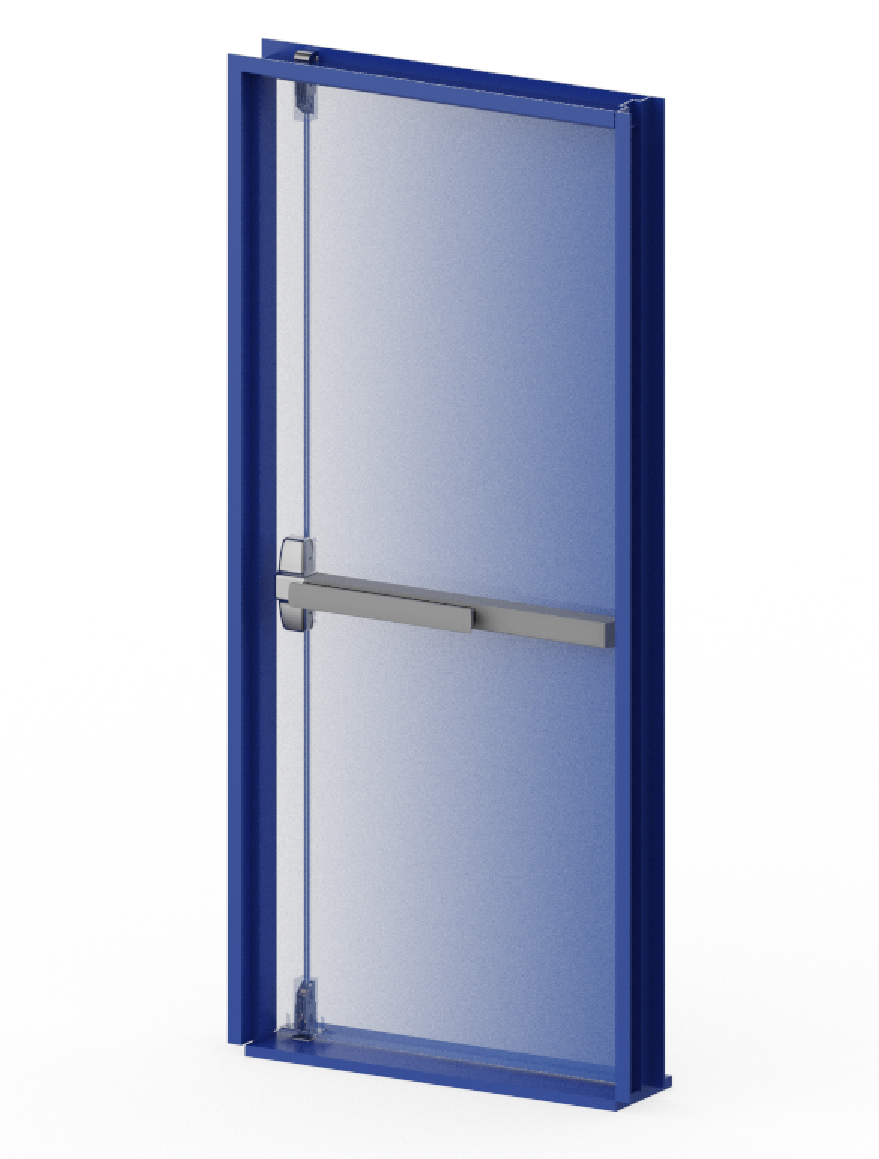
This is the most visible part of the device—the long horizontal bar (crash bar) or smaller pad that spans the width of the door. It's designed to be easily pushed by a person's body weight, hands, or even a hip. When someone pushes against this bar during an evacuation, it initiates the unlatching mechanism. The large surface area ensures that pressure applied almost anywhere along its length will activate the device.
Inside the housing of the push bar is the actuator mechanism. When the bar is depressed, it moves a series of levers, cams, or rods known as the linkage. This mechanical linkage transfers the force from the push bar to the latching mechanism, converting the simple pushing motion into the action required to retract the latch.
The latch is the component that actually secures the door to its frame. When the actuator and linkage are engaged by the push bar, they pull the latch bolt back from the strike plate on the door frame, allowing the door to swing open. The type of latching mechanism varies depending on the specific model of the panic exit device. Common types include:
· Rim Latch: This is a self-contained latch that is mounted on the surface of the door. The latch bolt extends from the device and engages with a strike plate on the door jamb. Rim devices are common, easy to install, and reliable.
· Mortise Latch: In this design, the latch mechanism is housed within a pocket (a mortise) cut into the edge of the door, similar to a standard commercial door lock. This provides a cleaner look and often a higher level of security.
· Vertical Rods (Surface or Concealed): For double doors, vertical rod devices are often used. These have rods that run up and down the length of the door, either on the surface or concealed within the door itself. When the push bar is pressed, the rods retract bolts from the top and bottom of the door frame, allowing both doors to open.
The chassis is the main body or housing of the panic exit device that contains the internal mechanisms. It is mounted directly onto the door and provides the structural support for the push bar and actuator. A sturdy chassis is essential for the device to withstand the repeated stress of daily use and the forceful impact it might endure in a panic situation.
Let's walk through the sequence of events when a person uses a panic exit device in an emergency:
1.Pressure is Applied: A person moving toward the exit pushes against the horizontal bar or touchpad. The force can be minimal and doesn't require fine motor skills.
2.The Bar Depresses: The push bar moves inward toward the door.
3.Actuator is Triggered: This movement engages the internal actuator mechanism.
4.Linkage Transfers Force: The actuator moves the connected linkage (levers and rods).
5.Latch Retracts: The linkage pulls the latch bolt or vertical rods out of the strike plate(s) in the door frame.
6.The Door Opens: With the latch retracted, the door is now unlatched and can swing open freely in the direction of egress.
This entire process happens almost instantaneously, requiring only a single push. Once the person has passed through and the pressure is released, the push bar returns to its original position, and the latch re-engages to secure the door. Importantly, while these devices always allow free exit, access from the outside is typically restricted or controlled by a key, lever, or electronic access system.
Panic exit devices come in several designs, each suited for different door types and security needs.
· Rim Exit Device: The most common type, mounted on the inside surface of a single door or the active leaf of a pair of doors.
· Mortise Exit Device: Offers a more integrated look and is often used in applications requiring higher security, as the lock body is protected within the door.
· Surface Vertical Rod (SVR) Device: Features rods on the interior face of the door that latch at the top and bottom. They are often used on pairs of doors where a center mullion (vertical post) is not present.
· Concealed Vertical Rod (CVR) Device: Similar to SVR devices, but the rods are hidden inside the door for a cleaner aesthetic. These are common in high-end architectural applications.
· Electrified Exit Devices: These devices integrate with a building's access control system. They can be electrically unlocked from a central security point while still allowing mechanical egress at all times. Some models also include alarms that sound when the bar is pushed.
Choosing and installing the correct panic hardware isn't just a good idea—it's a legal requirement for many buildings. Safety codes from organizations like the National Fire Protection Association (NFPA) specify where these devices must be used, based on the building's purpose and its maximum occupancy.
Failure to comply can result in failed inspections, fines, and, most importantly, a significantly higher risk of injury or death during an emergency. By ensuring that exit routes are equipped with reliable, code-compliant panic hardware, building owners and managers fulfill their responsibility to protect the people inside.
The panic exit device is a testament to brilliant, life-saving engineering. Its simple yet robust mechanism ensures that even in the most chaotic circumstances, a path to safety remains open. By transforming a complex action—unlocking a door—into a simple push, it removes a critical barrier to escape. Understanding how this hardware works reinforces its importance and highlights the critical role it plays in any comprehensive building safety plan. Ensuring your facility's exit devices are correctly installed, regularly inspected, and properly maintained is a fundamental step in safeguarding every person who walks through your doors.


