
Choosing the right lock for your door is an important decision—one that balances security, functionality, and aesthetics. Among the most popular options are mortise locks and cylindrical locks, both of which are widely used in residential and commercial applications. While both types offer reliable security, the differences between them can greatly impact which is the best fit for your specific needs.
This guide will break down the distinctions between mortise locks and cylindrical locks, explore how they compare to other lock types, and help you make an informed choice based on your requirements.
What Is the Difference Between a Mortise Lock and a Cylinder Lock?
When comparing a mortise lock and a cylinder lock, it's essential to understand not only their construction but also their functionality and ideal use cases.
Mortise Lock
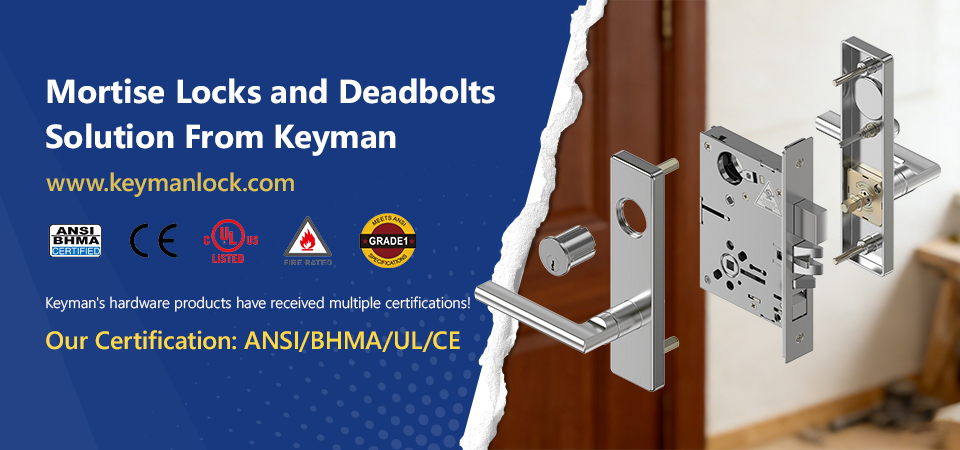
A mortise lock is a sophisticated locking system known for its durability and high level of security. It consists of a lock body installed into a pocket (mortise) cut into the edge of the door. These locks are more complex and often come as a mortise lock set, which includes various components like levers, knobs, and trim plates.

Cylindrical Lock
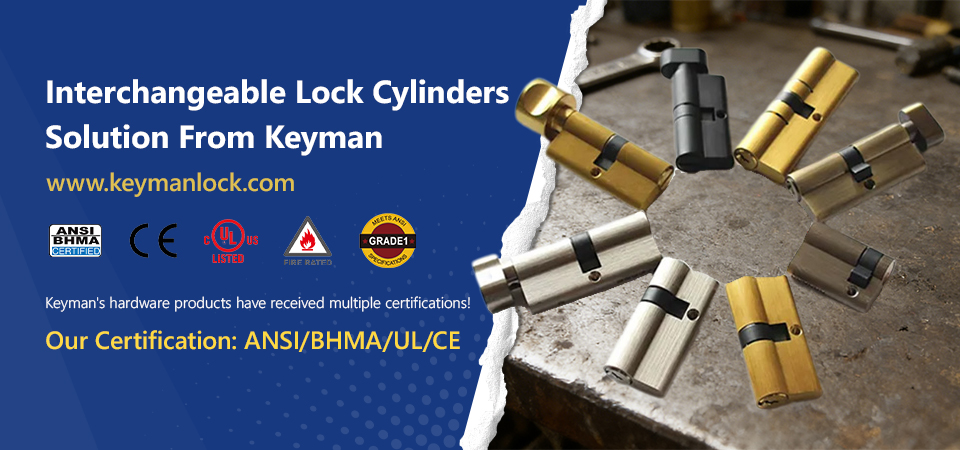
A cylindrical lock is a simpler and more widely-used locking system. It features a cylindrical mechanism housed within the door, and it is often found in residential homes, offices, and interior doors.
Key Features of a Cylindrical Lock:
● Ease of Installation: Unlike mortise locks, cylindrical locks are easier to install into a pre-drilled hole without additional door modification.
● Variety of Use Cases: These locks are versatile and can be used for interior and exterior doors.
● Cost-Effective: Cylindrical locks are typically less expensive than mortise locks, making them a common choice for residential use.
● Moderate Security: While cylindrical locks are effective for general use, they may not offer the same level of security as a mortise lock.

Use Case Comparison
Mortise locks are better suited for high-traffic or high-security doors, such as those in office buildings, hotels, or upscale residential properties.
Cylindrical locks are ideal for everyday residential applications or interior doors that don’t require significant security measures.
Mortise Lock vs Deadbolt
Many people confuse mortise locks with deadbolts, as they both offer enhanced security. However, these two systems serve different purposes.
Mortise Lock
A mortise lock combines a latch mechanism and a deadbolt feature into one unit. This dual functionality means that the lock can secure the door both when it’s latched (closed but not locked) and when the deadbolt is engaged.
● Advantage: Provides comprehensive security in a single system.
● Ideal For: Doors requiring high security without the need for a separate deadbolt mechanism.
Deadbolt
A deadbolt is a standalone locking system that provides one primary function—securing a door by driving a solid metal bolt into the frame. Deadbolts are commonly paired with cylindrical locks on exterior doors.
● Advantage: Deadbolts add substantial resistance to forced entry due to their lack of spring-loaded components.
● Ideal For: Doors needing an additional layer of security beyond a standard latch.
Key Difference:
While both locks provide security, mortise locks integrate the functionality of a deadbolt within the same lock body, whereas a deadbolt is an additional lock that works alongside other locking mechanisms.
Cylindrical Lock vs Tubular Lock
Another common point of confusion lies between cylindrical locks and tubular locks. While they share some similarities, their construction and functionalities set them apart.
Cylindrical Lock
A cylindrical lock is sometimes referred to as a "bored lock" because of the hole that is drilled into the door to house the lock mechanism.
● Advantages:
Quick and easy to install with a standard door prep.
Available in various grades for commercial and residential use.
● Common Use:
Office doors, bathrooms, and interior doors.
Tubular Lock
A tubular lock, on the other hand, is a slightly simplified version of a cylindrical lock. It is less complex and generally used for interior doors where security isn’t a primary concern.
● Advantages:
Basic and cost-effective.
Requires minimal drilling, making it easy to install.
● Common Use:
Bedroom or bathroom doors in residential properties.
Key Difference:
While cylindrical locks are more robust and versatile (suiting both interior and exterior applications), tubular locks are less secure and best suited for rooms that require privacy but not strong security measures.
Which Should You Choose?
The choice between a mortise lock, cylindrical lock, or other locking mechanisms depends largely on your needs and priorities:
● For Maximum Security:
Choose a mortise lock set if you need high security and durability, such as for a heavily used front door or commercial building.
● For Convenience and Cost Effectiveness:
Opt for a cylindrical lock if you need an easy-to-install, reliable lock for residential applications.
●For Interior Rooms:
A tubular lock offers a simple and affordable solution for privacy without extra security.
By understanding these differences, you can make a more informed decision about which lock suits your specific purposes.
Final Thoughts on Choosing the Right Lock
Locks are the guardians of your spaces, so selecting the right one is essential for both functionality and peace of mind. Whether you’re outfitting a commercial building with durable mortise locks or upgrading your home with sleek cylindrical locks, each system offers unique features tailored to different needs.
If you’re still unsure about what works best for your property, reach out to a trusted locksmith or security professional. They will ensure that your doors are equipped with the ideal locking solution, guaranteeing safety and style in equal measure.
mortise vs cylindrical lock
Mortise Lock Set
Mortise Lock
Related Articles





KEYMAN is Your Choice Of Security!
If you have any questions regarding our products or services, please leave your details and our team will respond to you.
: +86-13823964887
: +86-13823964887


