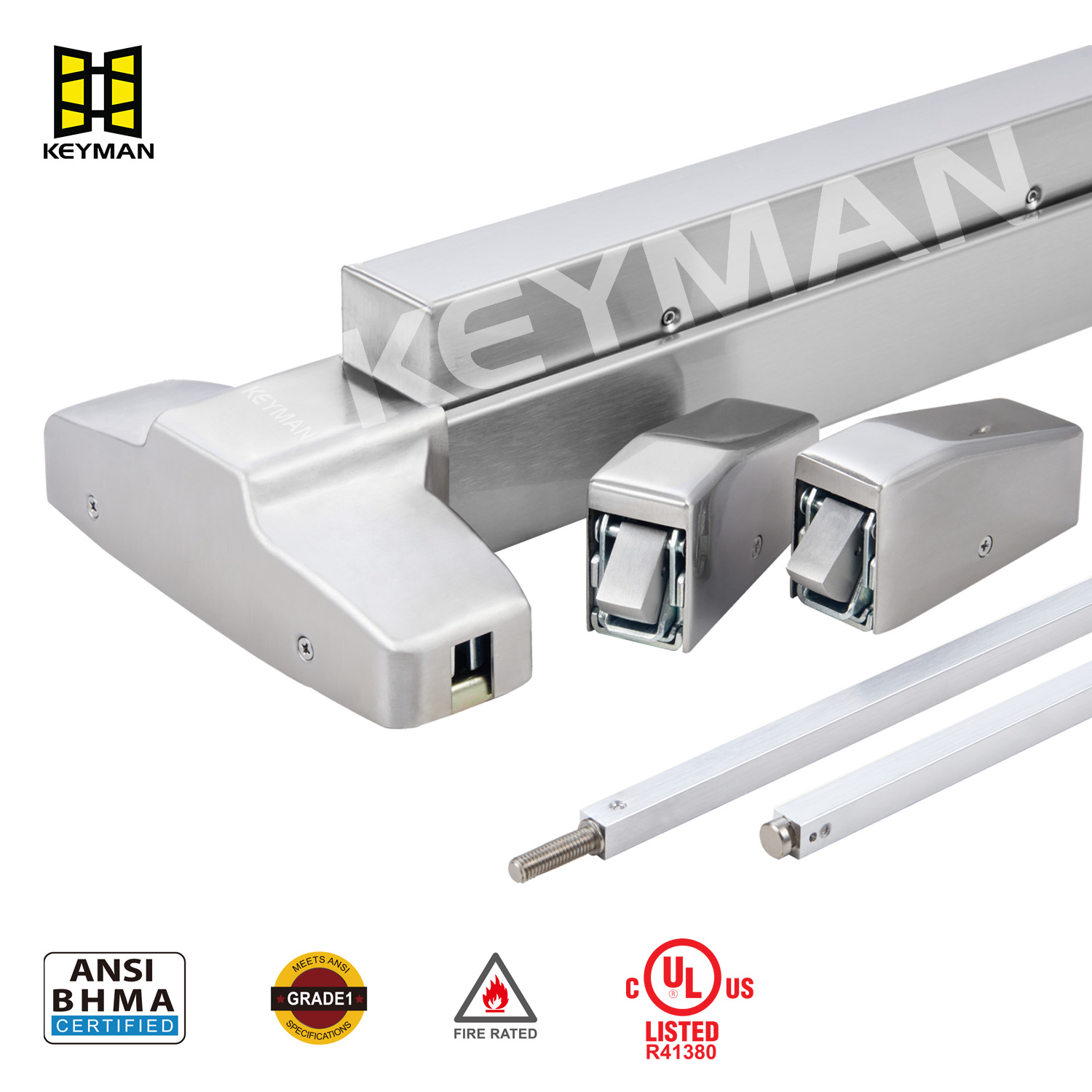
When it comes to building safety, every detail matters. From fire alarms to sprinkler systems, multiple layers of protection work together to keep occupants safe. One critical component, often overlooked but essential for emergency egress, is the door hardware. Specifically, the anti-panic mortise lock plays a vital role in ensuring a swift and safe exit during an emergency.
Understanding the function and importance of this specialized hardware is crucial for building owners, architects, and facility managers. This guide will explain what an anti-panic mortise lock is, how it works, and why it is a non-negotiable feature for many public and commercial buildings. By the end, you'll have a clear picture of how this locking mechanism contributes to overall building safety and compliance.
Decoding the Terminology: Lock, Mortise, and Anti-Panic
To fully grasp what an anti-panic mortise lock is, it helps to break down the name into its three core components: "lock," "mortise," and "anti-panic."
The Mortise Lock
A mortise lock is a type of lock that requires a pocket—or a mortise—to be cut into the edge of the door where it is to be fitted. Unlike a more common cylindrical lock that is simply installed into a drilled hole, a mortise lock consists of a larger, more robust lock body that houses all the internal components. This design offers several advantages:
· Strength and Durability: The integrated lockset is inherently stronger and more resistant to forced entry.
· Versatility: Mortise locks can accommodate various functions, including keyed entry, privacy functions, and, of course, panic hardware.
· Aesthetics: They can be paired with a wide range of trim styles, from classic to modern, offering greater design flexibility.
Because of their robust construction, mortise locks are frequently used in commercial buildings, schools, hospitals, and other high-traffic environments where security and durability are paramount.
The Anti-Panic Function
The "anti-panic" feature is what sets this lock apart. It is a safety mechanism designed to allow people to exit a building quickly and easily during an emergency, such as a fire, earthquake, or active threat situation.
In an emergency, people may panic and rush toward the exits. A standard locked door could create a dangerous bottleneck, trapping people inside. The anti-panic function ensures that even if the door is locked from the outside, it can always be opened from the inside with a single, simple action—like pushing a bar or lever—without needing a key, special knowledge, or fine motor skills.
This concept is governed by life safety codes, such as those from the National Fire Protection Association (NFPA) and the International Building Code (IBC), which mandate its use in specific types of buildings and occupancies.
How an Anti-Panic Mortise Lock Works
An anti-panic mortise lock combines the robust security of a mortise lock case with the life-saving egress feature of panic hardware. The lock body is installed inside the door, and it is operated from the interior by a specific type of trim, most commonly a Mortise Panic Bar.
Here’s a step-by-step breakdown of its operation:
1.Exterior Security: From the outside, the door can be locked with a key. When locked, the latchbolt cannot be retracted by turning the outside lever or knob, preventing unauthorized entry. This maintains the building's security perimeter.
2.Interior Egress: From the inside, the situation is completely different. Regardless of whether the outside handle is locked, pressing the panic bar (or lever) instantly retracts the latchbolt and allows the door to open.
3.Single-Motion Exit: This mechanism is designed for "single-motion" egress. A person fleeing an emergency does not need to turn a knob, twist a thumbturn, or use a key. They simply push against the panic bar, and the door opens, allowing for a quick and intuitive escape.
The Mortise Panic Bar is the crucial user-facing component. This horizontal bar or touchpad is installed on the interior side of the door and is mechanically linked to the mortise lock body. When pressure is applied to the bar, it triggers the retraction of the latch, overriding any locked state.

Where Are Anti-Panic Mortise Locks Required?
Building codes strictly define where anti-panic hardware is mandatory. While regulations can vary by jurisdiction, these locks are generally required in:
· Assembly Occupancies: Buildings where large groups of people gather, such as theaters, concert halls, stadiums, and restaurants.
· Educational Facilities: Schools, universities, and daycare centers.
· High-Hazard Occupancies: Buildings where flammable or hazardous materials are stored or used.
· Areas with High Occupant Loads: Any room or area designed to hold more than a certain number of people (often 50 or 100, depending on the code).
The primary goal of these regulations is to prevent tragedies where people become trapped during an emergency because they cannot operate the door hardware. The intuitive push-bar operation ensures that even in low-light conditions, dense smoke, or a state of panic, egress is still possible.
Key Benefits of Using an Anti-Panic Mortise Lock
Integrating an anti-panic mortise lock into a building's design offers significant advantages:
· Enhanced Safety and Code Compliance: First and foremost, it ensures compliance with life safety codes, protecting occupants and limiting liability for the building owner.
· Superior Security: The mortise lock design provides a higher level of security against break-ins compared to standard cylindrical locks.
· Durability for High-Traffic Areas: These locks are built to withstand the rigors of commercial use, making them a long-lasting and reliable investment.
· Operational Flexibility: They can be configured in various ways. For instance, some models allow the outside lever to be set to "passage mode," where it remains unlocked during business hours, and then secured after hours.
· Design Cohesion: Mortise locks can be matched with other hardware throughout a building, maintaining a consistent aesthetic without compromising on safety.
Choosing the Right Hardware
When selecting an anti-panic mortise lock, several factors should be considered:
· Fire Rating: If the door is in a fire-rated wall, the hardware must also be fire-rated (often indicated by a "UL" label).
· Function: Determine the necessary function for the lock. Do you need it to be always locked from the outside (storeroom function) or have the ability to be left unlocked (office function)?
· Trim Style: Choose a Mortise Panic Bar and exterior trim that match the building's aesthetic and can withstand the expected level of use.
· Code Requirements: Always consult the latest local building and fire codes to ensure the selected hardware meets all legal requirements for your specific application.
Your Partner in Safety and Security
An anti-panic mortise lock is more than just a piece of hardware; it's a critical life-saving device. It provides a seamless balance between securing a building from external threats and ensuring that everyone inside can get out safely when it matters most. For anyone involved in specifying, installing, or maintaining door hardware in commercial or public buildings, understanding its function is not just a professional responsibility—it's a commitment to protecting lives.
Anti-Panic Mortise Lock
Mortise Panic Bar
Exit Device


KEYMAN is Your Choice Of Security!
If you have any questions regarding our products or services, please leave your details and our team will respond to you.
: +86-13823964887
: +86-13823964887